
Literary Dublin: A Guide to Famous Writers’ Haunts and Historical Landmarks
Dublin earned its UNESCO City of Literature designation for a powerful reason: its streets are a living library, its pubs the former studies of literary titans. This is a city where words are woven into the very fabric of daily life, a place that shaped the minds of James Joyce, Oscar Wilde, Bram Stoker, and countless other masters of the written word. To walk through Dublin is to walk through the pages of some of history’s greatest novels, poems, and plays.
The Literary Giants of Dublin
The city’s soul is inextricably linked to the authors who called it home. Their spirits linger in the Georgian squares, the hallowed halls of academia, and the cozy corners of its historic pubs.
James Joyce
No writer is more synonymous with Dublin than James Joyce. His monumental work, Ulysses, is a detailed map of the city on a single day. The journey begins at the James Joyce Tower and Museum, a Martello tower in Sandycove, where the novel’s opening scenes are set. For the dedicated literary pilgrim, tracing Leopold Bloom’s path is the ultimate Dublin adventure.
A key stop on any Joycean tour is Davy Byrne’s pub. This establishment is immortalized in the “Lestrygonians” chapter of Ulysses, where Bloom stops for a glass of Burgundy and a Gorgonzola sandwich. Stepping inside feels like entering the novel itself, a perfect blend of literary history and authentic Dublin pub culture.
Oscar Wilde
The wit and brilliance of Oscar Wilde are celebrated throughout the city. His childhood home at 1 Merrion Square is a notable landmark, facing the beautiful park where he undoubtedly played. Just a short stroll away, a flamboyant and iconic statue of Wilde lounges on a rock in the corner of the square, perfectly capturing his charismatic and irreverent spirit.
Wilde’s intellectual journey began at Trinity College Dublin, which he attended from 1871 to 1874. The university, Ireland’s oldest, proudly counts him among its most famous alumni. A visit to Trinity connects you to the formative years of a writer who would go on to dazzle and scandalize London and the world.
Bram Stoker
Before he penned the Gothic horror masterpiece Dracula. Bram Stoker was a Dubliner. Born in 1847 in Clontarf, a coastal suburb, the city’s dark folklore and history seeped into his imagination. Though he spent much of his adult life in London, Dublin’s shadows provided the perfect breeding ground for his most famous creation.
Stoker was also a student at Trinity College, where he was a noted athlete. His time in Dublin, including his work as a theatre critic at the city’s vibrant performance halls, helped shape the narrative tension and dramatic flair evident in his writing.
Other Notable Writers
Dublin’s literary pedigree extends far beyond these three giants. The city was a crucible for an astonishing array of talent.
- W.B. Yeats, the Nobel laureate and poetic voice of a nation, was born in Sandymount and was deeply involved in the Irish literary revival.
- George Bernard Shaw: Another Nobel Prize winner, Shaw was born in Synge Street, and his witty, progressive plays continue to be performed worldwide.
- Jonathan Swift, the satirist and author of Gulliver’s Travels, was the Dean of St. Patrick’s Cathedral, where he is buried.
- Brendan Behan: The boisterous playwright and poet was a central figure in Dublin’s mid-20th-century literary pub scene.
Literary Landmarks and Institutions
Beyond the birthplaces and haunts of individual writers, Dublin boasts world-class institutions dedicated to preserving and celebrating its written heritage.
Trinity College Dublin
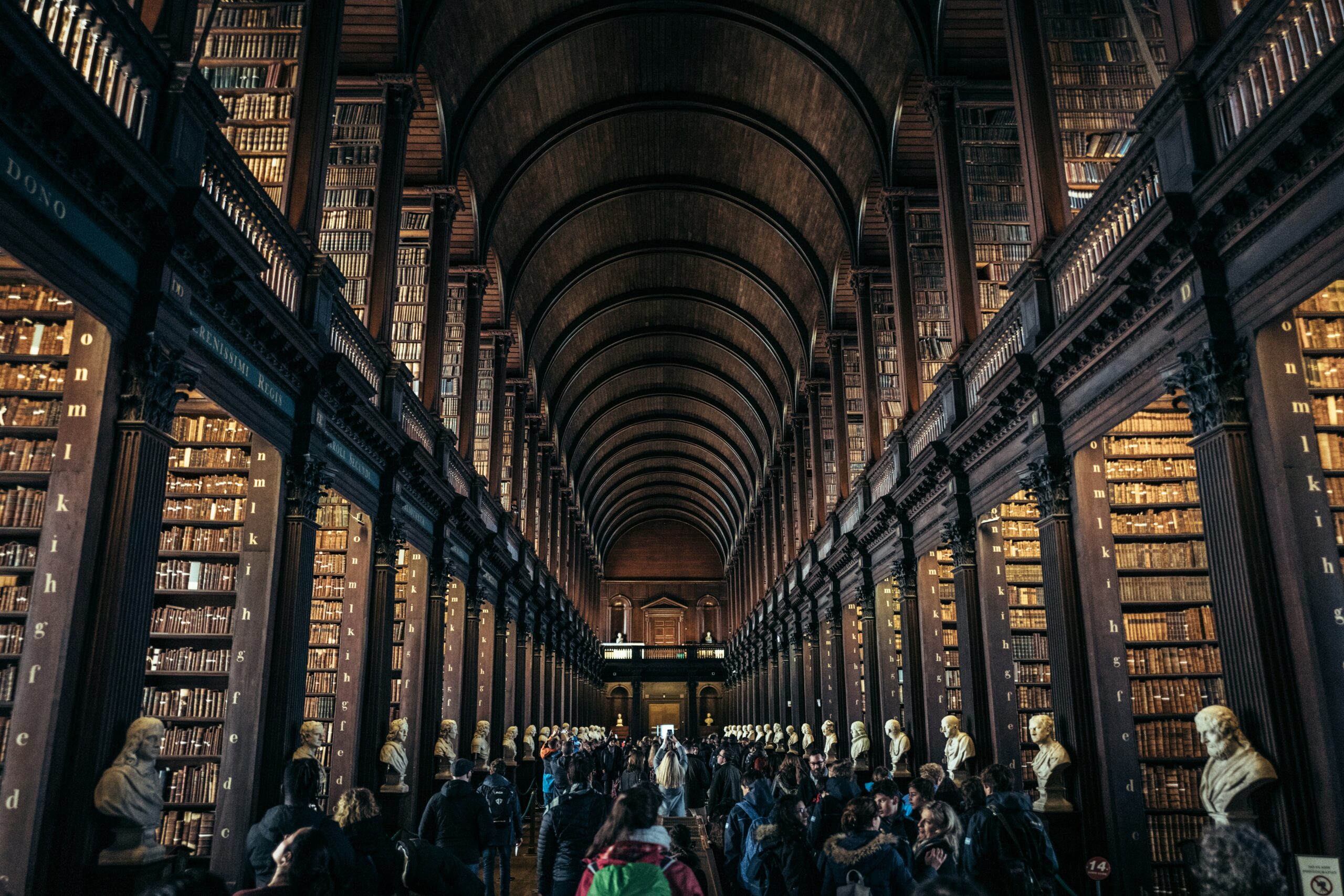
Trinity College is not just a university; it’s a temple of knowledge and a must-visit for any bibliophile. The crown jewel is the Old Library and its Long Room, a breathtaking cathedral of books housing 200,000 of the library’s oldest volumes. Here, you can view the magnificent Book of Kells, an ancient illuminated manuscript that is a profound testament to Ireland’s long history of artistry with words.
The college’s list of alumni reads like a who’s who of literature, including Swift, Wilde, Stoker, and a host of modern Irish writers. Its archives contain priceless manuscripts and letters, offering a direct link to the creative processes of these great minds.
Dublin Writers Museum
Housed in a stunning 18th-century Georgian mansion on Parnell Square, the Dublin Writers Museum offers a fantastic overview of Irish literary history. Its collections include first editions, personal letters, portraits, and other ephemera belonging to the greats, from Swift and Sheridan to Beckett and Behan.
The museum provides crucial historical context, illustrating how Dublin’s social and political landscape influenced its writers. It’s the perfect starting point for anyone looking to understand the full scope of the city’s contribution to world literature.
National Library of Ireland
For serious researchers and casual fans alike, the National Library of Ireland is an invaluable resource. It holds a vast collection of books, maps, and manuscripts related to Irish life and culture. The library frequently hosts excellent free exhibitions, often focused on specific writers like Yeats or Joyce.
Its beautiful reading room, with its domed ceiling, is a serene and inspiring place to sit. Even if you’re not conducting research, simply witnessing the quiet, dedicated work within its walls is a moving experience.
Literary Pubs and Social Spaces
In Dublin, literature was never confined to the study; it was debated, recited, and often written in the city’s bustling pubs. These establishments were the unofficial offices of generations of writers.
Historic Literary Pubs
Dublin’s pub culture is legendary, and its literary pubs are the stuff of pilgrimage. McDaid’s on Harry Street was a particular favorite of Brendan Behan and Patrick Kavanagh. The Palace Bar on Fleet Street was known as the unofficial newsroom for journalists and writers in the mid-20th century.
And of course, there’s Davy Byrne’s, forever etched into literary history by James Joyce. These are not museums but living, breathing pubs where you can raise a pint in the same spot as a literary hero. The tradition of conversation and storytelling is very much alive within their walls.
Literary Walking Tours
One of the best ways to connect the dots between these scattered sites is on a literary walking tour. Knowledgeable guides bring the city’s stories to life, leading you from Trinity College to the pubs, from Joyce’s towers to Wilde’s statues.
Popular meeting points are often outside the main gates of Trinity College or at the Dublin Writers Museum. These tours provide the historical significance behind the brick and mortar, turning a simple stroll into a journey through time and text.
Modern Literary Dublin
Dublin’s literary story is far from over. The city continues to foster new voices and celebrate the written word with a vibrant contemporary scene.
Contemporary Literary Scene
Today’s Dublin is home to acclaimed modern writers like Anne Enright, Colm Tóibín, and Sally Rooney, whose work continues to garner international attention. The city pulses with literary energy, hosting major festivals like the Dublin Literary Festival and Bloomsday celebrations every June.
Writing workshops and readings are commonplace, ensuring the next generation of storytellers has a platform. The city’s status as a UNESCO City of Literature is not just about the past; it’s a living, evolving commitment.
Bookshops and Literary Spaces
Independent bookstores are the lifeblood of modern literary Dublin. Shops like Chapters on Parnell Street and The Winding Stair (which also houses a fantastic restaurant) offer curated selections and a deep love for books. These spaces often host poetry readings, book launches, and author signings, acting as crucial community hubs for literature lovers.
They continue the city’s ancient tradition of being a place where talkers and writers congregate, proving that the age of the printed word is thriving in the digital era.
Practical Information
A little planning will help you make the most of your literary tour of Dublin.
Visiting Tips
The best times to visit are during the spring and fall when the weather is milder, and the crowds are smaller. While self-guided exploration allows for freedom, a guided tour can provide expert insights you might otherwise miss. Always check photography permissions inside museums and libraries, as flash photography is often prohibited to protect delicate materials.
Final Thoughts
Dublin’s literary legacy is not a relic locked away in a museum; it’s a living, breathing part of the city’s identity. From the hallowed halls of Trinity College to the warm, conversational buzz of a historic pub, the spirit of storytelling is everywhere.
This city of talkers invites you to listen, to read, and to add your own voice to its ongoing narrative. Your own chapter in Literary Dublin awaits—all you have to do is turn the page and start exploring.
Frequently Asked Questions
What is the most famous literary site in Dublin?
Trinity College’s Old Library, home to the Book of Kells, is arguably the most famous and breathtaking site. For Joyce enthusiasts, the Martello Tower in Sandycove is a close second, marking the starting point of Ulysses.
Which Dublin pub is most associated with James Joyce?
Davy Byrne’s pub on Duke Street is forever immortalized as the location where Leopold Bloom eats a Gorgonzola sandwich in Ulysses. It remains a top destination for literary pilgrims.
Can you visit Oscar Wilde’s house in Dublin?
While his childhood home at 1 Merrion Square is a private building and not open to the public, you can visit the brilliant statue of him lounging across the street in Merrion Square Park.
Is Dublin good for book lovers?
Absolutely. Beyond the historical sites, Dublin boasts fantastic bookshops, a thriving community of contemporary writers, and literary festivals that make it a paradise for anyone who loves literature.
What is the best literary walking tour in Dublin?
Several companies offer excellent tours, but those led by academics or dedicated Joycean scholars often provide the deepest insight. Look for tours that cover both the major icons and hidden gems.
When is the best time to experience Dublin’s literary culture?
Any time is good, but June is special due to the city-wide Bloomsday celebrations honoring James Joyce’s Ulysses. The Dublin Literary Festival in the spring is also a highlight.