
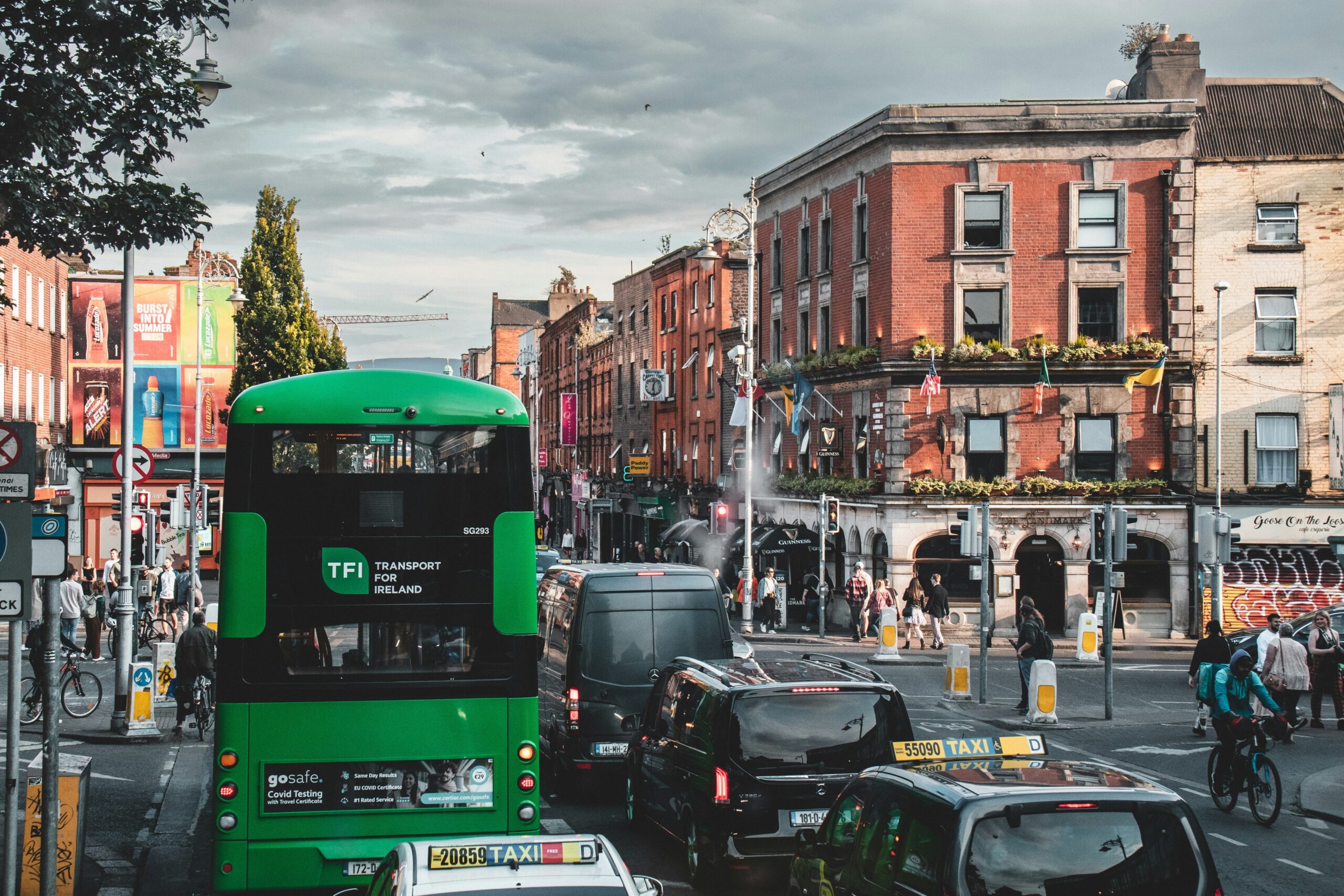
Essential Guide: Driving in Dublin – License Requirements, Insurance & Parking Laws 2026
Navigating the vibrant, bustling streets of Dublin behind the wheel can feel like a rite of passage. It’s a mix of charming Georgian squares and modern thoroughfares, all with their own unique set of rules. To ensure your experience is smooth and penalty-free, you need a clear understanding of Dublin’s driving regulations, from licenses and insurance to the ever-tricky parking laws.
License Requirements
Before you even think about turning the key, you need to make sure your paperwork is in order. Irish law is strict about documentation, and getting it wrong can lead to hefty fines.
Valid Driving Licenses
If you hold a valid driving license from an EU/EEA member state, you’re all set to drive in Ireland for as long as your license remains valid. For visitors from outside the EU, like the US, Canada, or Australia, your full national driving license is typically valid for up to 12 months from your date of entry.
An International Driving Permit (IDP) is not a standalone document but a translation of your license. You generally won’t need one if your license is in English. However, if your license uses a non-Roman alphabet (like Japanese or Arabic), an IDP is a mandatory requirement alongside your original license.
Documentation Requirements
You must carry specific documents with you every time you drive. An Garda Síochána (the Irish police) can request them at any checkpoint, and failure to produce them is an offense. The essential trio includes your valid driving license, proof of valid insurance, and the Vehicle Registration Certificate (VRC).
The VRC is the official document that proves you are the registered owner of the vehicle. If you’re renting a car, the rental company handles this, but you should ensure the documents are in the glove compartment. Always have a second form of photo ID, like a passport, to confirm your identity if needed.
Insurance Requirements
Driving without insurance in Ireland isn’t just ill-advised; it’s illegal. The financial and legal repercussions of being uninsured are severe, so securing proper coverage is non-negotiable.
Mandatory Coverage
The absolute minimum legal requirement is third-party insurance. This coverage protects you if you cause an accident that results in injury to another person or damage to their property. It does not cover any repairs to your own vehicle.
For foreign drivers, your policy must be valid for use in Ireland. Don’t assume your domestic policy extends coverage; you must check with your provider. Most rental companies include this basic coverage in your rental agreement, but it’s your responsibility to confirm it.
Insurance Options
When renting a car, you’ll be offered various levels of coverage. The basic third-party is included, but you should strongly consider Collision Damage Waiver (CDW) or Super CDW to reduce your liability for damage to the rental car itself.
Be wary of relying solely on credit card insurance. Many credit card companies offer rental insurance as a perk, but their policies often have significant limitations and may not meet Ireland’s specific legal requirements. Always read the fine print and consider it supplemental rather than primary coverage.
Dublin Parking Laws and Regulations
Finding a parking spot in Dublin can test anyone’s patience, but understanding the rules will save you from a costly clamp or tow.
Street Parking Rules
Dublin uses a paid parking system known as Pay and Display. You’ll find designated zones where you must purchase a ticket from a machine and place it clearly on your dashboard. Rates and time limits vary by area, so always check the signs.
Time restrictions are strictly enforced. A two-hour maximum stay means just that. Many central areas also have disc zones, requiring you to use a parking disc (available from shops or petrol stations) to display your arrival time. Residents in certain zones can obtain permits, so never assume a free-looking space is fair game.
Parking Restrictions
Dublin is littered with no-parking zones. Double yellow lines mean no parking at any time. Single yellow lines indicate no parking during specific times, which are posted on nearby signs. Loading bays are for commercial vehicles only during operational hours.
Disabled parking spaces are exclusively for vehicles displaying a valid European Blue Badge. Parking illegally in these spots results in immediate fines. The city is also notorious for clamping and towing. If you park illegally, you’ll face a release fee for a clamp on top of the fine, and a towed vehicle involves an even more expensive and inconvenient recovery process.
Important Traffic Rules in Dublin
Irish road rules might differ from what you’re used to. A quick refresher can keep you safe and on the right side of the law.
Speed Limits
Speed limits are in kilometers per hour and are strictly enforced. In Dublin’s city center, the limit is often 30 km/h. Residential areas also adhere to 30 or 50 km/h zones. On main national roads (N-roads), the limit is 80 km/h, while on motorways (M-roads), it increases to 120 km/h.
Key Traffic Regulations
Remember to drive on the left. Roundabouts are common; you must yield to traffic coming from your right. Pedestrians have the right of way at designated zebra crossings.
Dublin’s city center is a maze of one-way systems. Pay close attention to signs and road markings. Bus lanes have strict operational hours (usually posted). Driving in a bus lane during its active times is a surefire way to earn a fine through automated cameras.
Tips for Driving in Dublin
A little local knowledge goes a long way toward making your drive less stressful and more enjoyable.
Navigation
Road signs follow European conventions but can be confusing in dense urban areas. A reliable GPS or app like Google Maps is essential. However, be prepared for sudden changes and narrow lanes.
Peak traffic hours are brutal, typically from 7:30 AM to 9:30 AM and 4:30 PM to 6:30 PM on weekdays. If you can, avoid driving through the city center during these times. Consider using the Dublin Port Tunnel or the M50 ring road to bypass the worst of the congestion.
Safety Recommendations
Irish weather is famously unpredictable. Be prepared for sudden rain showers that make roads slick and reduce visibility. Always drive with your headlights on for better visibility.
Know the essential emergency numbers: 112 or 999 for police, fire, or ambulance. For breakdowns, ensure your rental company provides a contact number. Organizations like the AA Ireland offer excellent coverage if you’re in your own vehicle.
Common Violations and Penalties
Ignorance of the law is rarely accepted as an excuse. Be aware of what gets drivers into trouble.
Traffic Offenses
Common infractions include illegal parking, speeding, and using a mobile phone while driving. Ireland operates a penalty points system. Each offense adds points to your license; accumulating 12 points within three years leads to an automatic disqualification from driving.
Fines vary widely. A bus lane violation might cost you €60, while speeding can range from €80 to €150 depending on how far over the limit you were. A clamped vehicle will set you back over €100 for release.
Enforcement
Enforcement is robust. A network of fixed and mobile speed cameras monitors roads. Garda checkpoints are frequent, especially in the evenings, to check for documentation and impairment.
If you receive a fine, it will typically include payment instructions. You usually have 28 days to pay the original amount; after that, the fine increases significantly. For foreign drivers, rental companies will often forward fines to you, adding an administrative fee.
In Short
Driving in Dublin offers a fantastic way to explore the city and the stunning countryside beyond on your own schedule. While the rules might seem daunting at first, a bit of preparation makes all the difference. Keep your documents handy, respect the parking signs, and embrace the left-hand side of the road. Now, you’re ready to hit the road with confidence. Safe travels!
Frequently Asked Questions
Do I need an International Driving Permit to drive in Dublin?
Most visitors do not. If your license is issued by an EU country or is in English (like a US, Canadian, or Australian license), your original license is sufficient. You only need an IDP if your license is not in English or doesn’t use the Roman alphabet.
Is my US car insurance valid in Ireland?
Probably not. Most US domestic policies do not extend coverage to Ireland. You must purchase appropriate insurance either through your rental car company or a separate international policy. Never assume your coverage from home applies.
What should I do if my rental car is clamped?
Contact the clamping company immediately using the number displayed on the clamp or nearby signs. You will have to pay the release fee to have it removed. Then, contact your rental company to inform them of the situation.
Can I drive in bus lanes anytime in Dublin?
No. Bus lanes have specific operational hours, which are clearly signed (e.g., 7 AM – 10 AM and 4 PM – 7 PM). Driving in them during these times will result in a fine from an automated camera system. Outside of these hours, they are open to all traffic.
Are speed limits strictly enforced?
Yes. Enforcement is carried out by both Garda officers and an extensive network of fixed and mobile speed cameras. Always adhere to the posted limits to avoid fines and penalty points.
What is the legal alcohol limit for driving in Ireland?
Ireland has a strict drink-driving limit. For experienced drivers, the limit is 50 milligrams of alcohol per 100 milliliters of blood. For learner and professional drivers, the limit is 20 milligrams. The best practice is to simply not drink any alcohol if you plan to drive.