
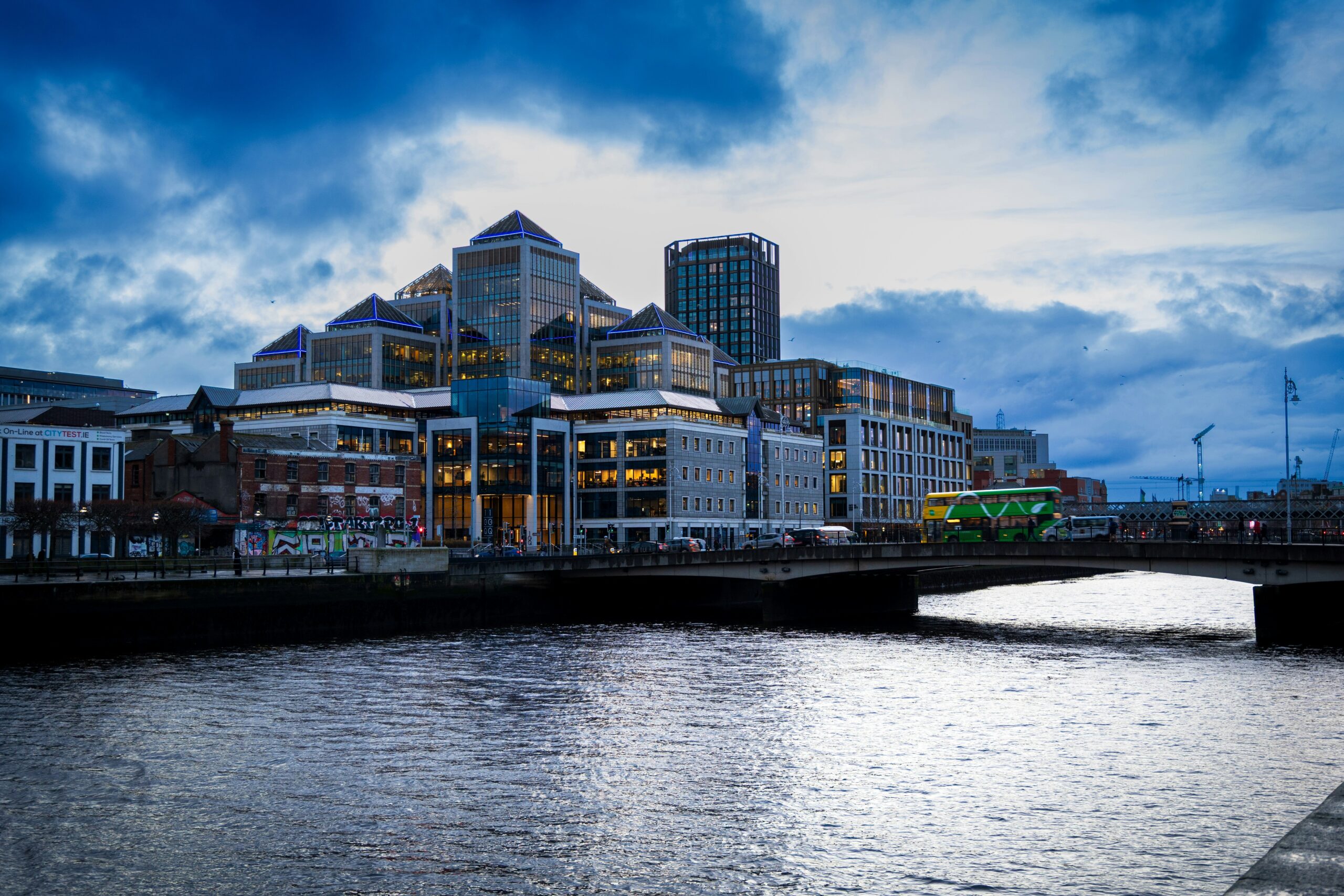
Dublin’s Financial District (IFSC): A Global Hub for Investment and Business Growth
Dublin’s International Financial Services Centre (IFSC) stands as one of Europe’s most dynamic hubs for finance and investment. Established 38 years ago, this powerhouse has transformed a once-derelict part of the city into a gleaming district that rivals London and Frankfurt. Its significance in global finance is undeniable, serving as a critical gateway for international capital into the European Union.
Evolution and Development
Historical Milestones
The IFSC’s story began in 1987 with a bold vision to create a dedicated financial zone. This initiative aimed to attract international financial institutions by offering a favorable corporate tax environment. Over the decades, it has evolved through key developmental phases, growing from a simple concept into a complex ecosystem.
Its transformation into a modern financial hub was neither quick nor accidental. Strategic government planning and private investment fueled its growth. Today, it celebrates its 38th year as a testament to successful economic development, having firmly shed its industrial past for a skyline of glass and steel.
Infrastructure and Location
The centre boasts a strategic position on the north bank of the River Liffey, a stone’s throw from Dublin’s central business districts. This prime location offers unparalleled connectivity to the city’s transport networks, including major rail lines and bus routes, making it easily accessible for a workforce of thousands.
Modern facilities define the area, with state-of-the-art office towers offering cutting-edge amenities. The infrastructure supports high-frequency trading and global communications, providing everything a major financial institution could need. It’s a purpose-built environment designed for efficiency and prestige.
Key Financial Services and Operations
Core Business Activities
The IFSC is a major global hub for several niche but powerful financial sectors. Fund administration is a cornerstone, with Ireland being one of the world’s largest domiciles for investment funds. This activity involves the complex back-office management of vast pools of global capital.
Another standout specialty is aircraft leasing; a huge percentage of the world’s commercial aircraft are managed from desks here. This is complemented by robust insurance services and a range of wholesale banking activities that cater to corporations rather than individual consumers.
Regulatory Framework
A unique feature of the IFSC’s operation was the Certification Advisory Committee (CAC). This body, with members from the Central Bank and finance departments, originally approved companies seeking to benefit from the favourable 10% tax rate. This gatekeeper role ensured only legitimate operations were established.
The introduction of the Section 110 Special Purpose Vehicle (SPV) framework in 1997 was a game-changer. PwC called it the “heart of the Irish structured finance regime,” and it propelled Ireland to become the 4th largest shadow banking centre in the world, dominating EU securitization.
Investment Opportunities
Primary Investment Sectors
For investors, Dublin presents a compelling portfolio. Right now, the two most popular investment opportunities are startups and real estate. The city’s property market remains fiercely competitive, driven by demand for commercial and high-end residential space in and around the IFSC itself.
The startup ecosystem is equally vibrant, particularly in financial technology (Fintech). Corporate investments are also robust, with multinationals consistently choosing the IFSC as their European headquarters. The blend of established giants and agile newcomers creates a diverse investment landscape.
Market Advantages
The advantages of investing here are numerous. Its strategic location within the EU provides seamless access to the single market of over 450 million people. This is coupled with a competitive corporate tax rate and a deep pool of highly skilled, multilingual graduates from Ireland’s excellent universities.
The tax benefits are historically a major draw, though they have evolved to remain compliant with global standards. The real clincher is the workforce; you get a talented, flexible, and English-speaking labor pool that operates in a common law jurisdiction, which is a comfort to American and Asian firms.
Innovation and Growth
Technology Integration
The district is not resting on its laurels. Modern financial technologies are being integrated at a rapid pace. Digital banking initiatives are commonplace, with traditional banks scrambling to keep up with agile Fintech innovators who call the IFSC home.
Blockchain, RegTech, and AI-driven analytics are no longer futuristic concepts here; they are tools deployed daily. This tech-forward approach ensures the centre remains relevant and competitive, future-proofing its operations against slower-moving global competitors.
Educational and Research Support
Innovation is fueled by education. The National College of Ireland is based in the heart of Dublin’s IFSC, creating a direct pipeline of talent. This proximity allows for unparalleled collaboration between academia and industry, shaping curricula to meet real-world needs.
Research and development partnerships between colleges and corporations are standard. This synergy provides continuous professional development opportunities for the existing workforce and ensures the next generation is ready to contribute from day one.
Future Prospects
Growth Potential
The future looks bright. Emerging opportunities in green finance and sustainable investing are being eagerly embraced. Market expansion plans focus on attracting more Asian and North American firms looking for an EU foothold post-Brexit.
International partnerships are key to this strategy. The IFSC’s authorities actively court global financial giants, selling the combination of talent, technology, and access. The goal is not just to maintain status but to climb the ranks of global financial centres.
Challenges and Solutions
It’s not without its challenges. Fierce market competition from cities like Amsterdam, Paris, and Luxembourg forces constant innovation. Regulatory changes, especially from the EU, require agility and a proactive legal approach to stay ahead of new compliance demands.
Sustainability initiatives are now a core part of the strategy, addressing criticisms about their environmental and social impact. The solution is a commitment to green buildings, ethical investing, and promoting a diverse and inclusive corporate culture across the district.
Final Thoughts
Dublin’s Financial District has cemented its role in global finance through clever strategy and relentless adaptation. The investment outlook remains strong, buoyed by its EU access and skilled workforce. Future development plans seem focused on sustainable, technology-led growth.
For any business considering a European base, the IFSC offers a compelling argument. It combines the pragmatic appeal of favorable economics with the vibrant energy of one of Europe’s most liveable cities. It’s a place where business gets done, but life is also lived well. Check it out.
Frequently Asked Questions
What makes Dublin’s IFSC attractive to financial firms?
Its combination of a skilled English-speaking workforce, a common law legal system, and strategic access to the EU single market is a powerful draw. The historical tax benefits, though now aligned with global norms, created an initial foundation that attracted the critical mass of firms that still operate there today.
How has Brexit impacted Dublin’s Financial District?
Brexit was a net positive for the IFSC. Many financial institutions that previously used London as their EU gateway needed a new base within the bloc. Dublin, with its similar legal framework and language, became a natural choice, leading to an influx of new firms and expansion of existing ones.
Can startups benefit from being located in the IFSC?
Absolutely. While it’s known for giants, the ecosystem thrives on innovation. Startups, especially in Fintech, benefit from proximity to potential clients, investors, and a talent pool experienced in finance. The networking opportunities and prestige of the address can be significant advantages for a growing company.
What is the Section 110 regime mentioned in the IFSC?
It’s a specific tax structure for Special Purpose Vehicles (SPVs) used in securitization. It allows for the efficient management of large-scale debt and asset financing. This technical mechanism is a key reason Ireland became a world leader in aircraft leasing and structured finance.
Is the IFSC only for large multinational corporations?
Not at all. While it hosts global giants, the ecosystem also supports a vast network of small and medium-sized enterprises (SMEs). These include legal firms, consultancy services, tech providers, and startups that service the larger institutions, creating a diverse and interconnected business community.
How does the IFSC contribute to the Irish economy?
Its contribution is massive. It generates billions in tax revenue, employs tens of thousands of high-value workers, and supports ancillary jobs across the country. It has been instrumental in transforming Ireland’s economy from agricultural to knowledge-based, raising the standard of living and attracting global talent.