
Dublin Weather Guide: Month-by-Month Temperature and Climate Patterns
Dublin’s weather is famously unpredictable, a charmingly chaotic mix of sunshine, showers, and blustery winds all in one afternoon. This maritime climate, heavily influenced by the Atlantic Ocean and the Irish Sea, means you should always be prepared for a surprise. Understanding what to expect from Dublin weather is the first step to packing correctly and planning a fantastic trip, whether you’re exploring the cobbled streets of Temple Bar or hiking in the nearby Wicklow Mountains.
Understanding Dublin’s Seasonal Weather
Winter (December-February)
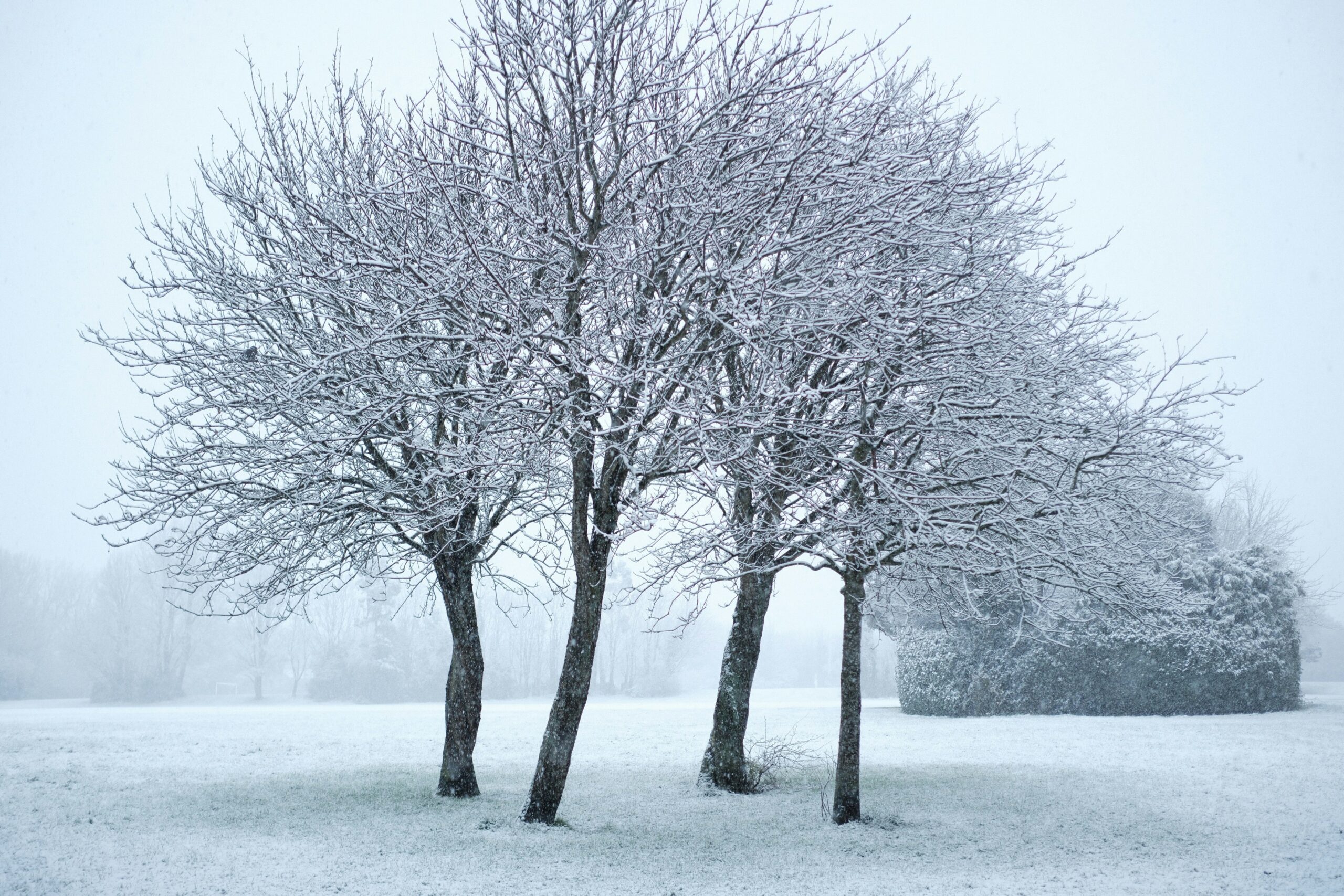
Winter in Dublin is characterized by short days, long nights, and a persistent chill. The city rarely sees extreme cold, but the dampness can make it feel much colder than the thermometer suggests. Snow is a rare and exciting event, often melting quickly upon contact with the ground.
January stands as the coldest month, with average high temperatures hovering around a brisk 7°C (45°F) and lows dipping to approximately 3°C (37°F). Precipitation is frequent, often falling as a steady, misty rain rather than heavy downpours. Expect overcast skies and conditions that perfectly justify popping into a cozy pub for a warm drink.
Spring (March-May)
Spring is a season of hopeful transition in the Irish capital. The days gradually lengthen, and the city begins to shake off its winter slumber. While still cool, temperatures slowly climb from the chilly single digits of March to the more comfortable mid-teens (Celsius) by May.
This period of renewal is still quite damp, with rainfall expectations remaining high. A notable feature is the chilly sea temperature; in March, the water off Dublin averages a frigid 46°F (8°C). The most notable change is the sudden bursts of brilliant sunshine that break through the clouds, illuminating the city’s parks and gardens as they burst into color.
Summer (June-August)
Summer brings Dublin’s most pleasant weather, though it’s mild by most standards. Average temperatures are comfortable, typically ranging through the 50s and 60s°F (low to high teens Celsius). This is the prime time for outdoor dining, festivals, and enjoying the vibrant energy of the city.
August boasts the warmest sea temperatures, with the water reaching an average of 58°F (14°C)—still bracing for most swimmers. Recent trends show increasingly warm summers; July 2026 was recorded as the 9th warmest July in 126 years, with a national average temperature of 16.59°C. Humidity levels are generally moderate, and while rain is less frequent than in other seasons, a sudden shower is always a possibility.
Autumn (September-November)
Autumn sees a gradual decline in temperatures and daylight hours. The crispness returns to the air, and the city is often painted with golden and amber hues. It’s a beautiful time for a stroll through St. Stephen’s Green or Phoenix Park.
Rainfall increases again, often arriving in the form of blustery showers carried on stronger winds. This season is the definition of transitional weather, often offering a mix of blustery, rainy days and surprisingly clear, sunny, and calm ones, all within the same week.
Key Weather Factors to Consider
Precipitation
Rain is a defining feature of the Irish climate, and Dublin is no exception. While it experiences year-round rainfall, it’s not the constantly pouring deluge some imagine. The rain often comes in short, sporadic showers followed by breaks of sunshine.
In fact, Dublin enjoys the status of being one of Ireland’s drier cities, with the east coast generally receiving less rainfall than the west. Monthly averages can be deceptive, as rain is spread across many days rather than concentrated in massive storms, so always having a light waterproof layer is a smart move.
Wind Conditions
Wind is a constant companion in Dublin, significantly impacting the “feels like” temperature. Average wind speeds are moderate but can gust strongly, especially during autumn and winter storms coming in from the Atlantic.
The prevailing wind direction is from the south-west, which typically brings milder and wetter air. A strong wind can make a sunny 10°C day feel bitterly cold, so checking the wind speed forecast is just as important as checking the temperature itself.
Humidity and Comfort Levels
Average humidity levels in Dublin are relatively high year-round, typically sitting between 75% and 85%. This high moisture content in the air is why a 3°C winter day can feel bone-chilling and why a 20°C summer day can feel pleasantly warm rather than overly hot.
Formal heat index calculations are rarely needed, as extreme heat is uncommon. The real factor to consider is the windchill. The combination of humidity and wind means the apparent temperature is often several degrees lower than the actual air temperature, making a warm coat and scarf essential for comfort most of the year.
Planning Your Visit
Best Time to Visit
The best time to visit Dublin for peak weather conditions is undoubtedly the summer, from June to August. You’ll experience the longest days, mildest temperatures, and the highest chance of sunshine. This is when the city’s outdoor attractions truly shine.
However, this is also the peak tourist season, meaning larger crowds and higher prices. The shoulder seasons of late spring (May) and early autumn (September) offer a fantastic compromise—you’ll still get decent weather with fewer people. Always have a backup plan for indoor activities, like museums and historic libraries, as the weather can turn quickly.
What to Pack
Your packing strategy for Dublin should be built around layers. No matter the season, a waterproof and wind-resistant jacket is your most essential item. In winter, pack thermal layers, a warm sweater, a scarf, gloves, and a sturdy hat.
For spring and autumn, medium-weight layers like long-sleeved shirts and a light sweater are perfect. Even in summer, include a light jacket or fleece for cooler evenings. The most essential weather gear, beyond your jacket, is a comfortable pair of waterproof shoes for navigating wet streets. Dressing in layers allows you to adapt to Dublin’s mercurial conditions throughout the day.
Climate Change and Weather Trends
Like much of the world, Dublin is experiencing noticeable shifts in its weather patterns due to climate change. Recent temperature records, such as the exceptionally warm July of 2026, are becoming more frequent. Long-term climate data indicate a trend towards warmer average temperatures across all seasons.
Future weather projections suggest this pattern will continue, with an increase in the frequency and intensity of extreme weather events, including heavy rainfall and heatwaves. While Dublin’s core character, changeable and mil,d will remain, visitors can expect more volatility within that framework.
Frequently Asked Questions
What is the coldest month in Dublin?
January is consistently the coldest month in Dublin. You can expect average high temperatures around 7°C (45°F) and lows that dip to about 3°C (37°F). The cold is often accentuated by dampness and wind.
Does it rain every day in Dublin?
No, it does not rain every day. While rain is common and can occur year-round, it often falls in short showers rather than all-day events. There are frequently dry and sunny spells between periods of rain.
What is the warmest month to visit Dublin?
July and August are the warmest months, with average highs reaching the high teens Celsius (low to mid-60s Fahrenheit). August also has the warmest sea temperatures for those brave enough to take a dip.
Is Dublin warmer than the rest of Ireland?
Generally, yes. Being on the east coast and in a rain shadow, Dublin is one of Ireland’s drier and slightly warmer cities, especially when compared to towns and cities on the exposed Atlantic west coast.
Do I need to pack an umbrella for Dublin?
A small, sturdy umbrella is a good idea, but be warned that strong winds can easily turn it inside out. A waterproof jacket with a hood is often a more practical and reliable choice for dealing with the city’s famous showers.
Has Dublin’s weather changed recently?
Yes, trends show warmer average temperatures, particularly in the summer months. Recent years have seen record-breaking heat, indicating a shift towards a warmer climate overall, though the changeable nature of the weather remains.